


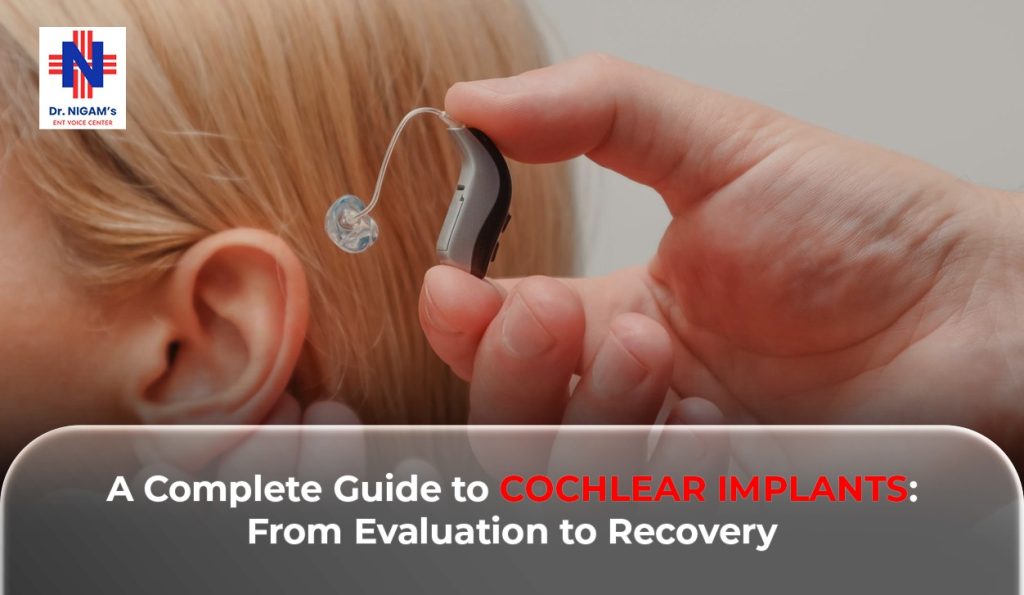
You might be interested in cochlear implants if severe hearing loss is making it hard to do everyday things like talk to people, work, or feel alone. We’ve talked about this option with a lot of people who are profoundly deaf. Implants work differently than hearing aids. They go around damaged parts of the ear and directly stimulate the auditory nerve. Let’s go through the whole process together, from the first steps to doing well after surgery, so you know what to expect.
What are cochlear implants, and who benefits the most from them?
Cochlear implants are electronic devices that have an external processor and an array of electrodes inside. Since 1984, the FDA has approved them, and they have helped more than 700,000 people around the world regain their ability to hear. Great for adults and kids over 12 months old who have moderate to severe sensorineural loss and don’t get much help from hearing aids.
What are the results? According to NIH studies, 80–90% say they can understand speech better. Not a “cure,” but it changes how people talk to each other.
In Gurgaon, finding a skilled cochlear implant surgeon makes a big difference in how well the implant fits.
Step 1: The Evaluation Process—How to Get Started
Evaluation confirms candidacy—takes 1–2 months and involves people from different fields.
- Audiogram and speech detection are two types of hearing tests.
- CT and MRI scans show the structure of the ear.
- Checks for balance and cognition to make sure it’s safe.
- Trial with Hearing Aids: Rules out other options.
We also look at how you live your life, like your job and family. If it’s appropriate, talk about brands like Cochlear or MED-EL. A top cochlear implant doctor near me puts thoroughness first so that the tech fits the needs.
Step 2: Picking Your Cochlear Implant Surgeon
Look for otolaryngologists who have done more than 100 implants. Look:
- Fellowships: Training in neurotology.
- NABH for safety: hospital accreditations.
- Success Rates: More than 95% of the time, there were no problems.
If you’re looking for a “cochlear implant surgeon in Gurgaon” or the “best cochlear implant doctor in Gurgaon,” check SEBI-like registries or hospital data. Experience lowers risks like infection (less than 2%).
Step 3: What Happens on Surgery Day
Outpatient, general anesthesia for 2–3 hours.
- Cut behind the ear.
- Drilling into the mastoid to put an electrode into the cochlea.
- The receiver is safely under the skin.
- Closure; monitoring overnight.
Minimally invasive now—endoscopic methods speed up recovery.
Immediate After Surgery: The First Days and Weeks
Week 1. Take off the bandage on day 7. Mild dizziness and swelling are normal. Painkillers are enough.
Activation (2–4 weeks): The processor is connected, and at first it sounds robotic. The programmer tunes in to your ear.
Weekly follow-ups for the first month. A cochlear implant doctor in Gurgaon makes sure that each patient gets a personalized map for better clarity.
Rehabilitation: The Most Important Thing for Hearing Success
Therapy makes implants work better—80% improvement linked to it.
- Auditory Training: Apps and software can tell the difference between sounds.
- Speech therapy lasts from three to six months and focuses on how to pronounce words.
- Family Involvement: Practice at home speeds up.
Kids often catch up with their peers in one to two years, while adults get back to using their phones in a few months.
Recovery and Maintenance for a Long Time
Months 1–3: Sounds get sharper, and music slowly comes back.
Year 1+: 70% can understand sentences without help. Every 7 to 10 years, there are upgrades.
Tips for taking care:
- Covers that keep water out for swimming.
- Checking batteries and cleaning magnets.
- Audits every year.
- Lifespan: 20 years or more inside; processors change.
Risks, Costs, and What to Expect
Low risk: problems with the facial nerve (0.5%) and device failure (rare). Tinnitus may last.
Costs in India range from ₹15 to ₹25 lakhs (for the device and surgery), and insurance covers a lot for kids. What is ROI? Freedom that can’t be bought.
Don’t expect to hear right away; expect slow progress. If you are committed, 90% of people will be happy.
What Patients Say About Life After Cochlear Implants
Many people rediscover the simple pleasures of life, like the sound of birds singing and the laughter of their grandchildren. Work gets done faster, and people stop feeling alone. Bilateral implants (in both ears) make things even better.
Why should you go to Gurgaon for your cochlear implant?
Gurgaon’s advanced centers have fellowship-trained cochlear implant surgeons near me who combine technology with care. When you search for “cochlear implant doctor near me” or “cochlear implant surgeon in Gurgaon,” you will find professionals who deliver results that meet international standards.
If evaluation gives you hope, don’t wait—deep loss gets worse without help.
Are you ready for your consultation? Find a cochlear implant doctor in Gurgaon who is good at all types of care. They’ll help you go from evaluation to empowerment. What do you want to ask next?
Also read—How Cochlear Implant Surgery Works: Step-by-Step Guide