


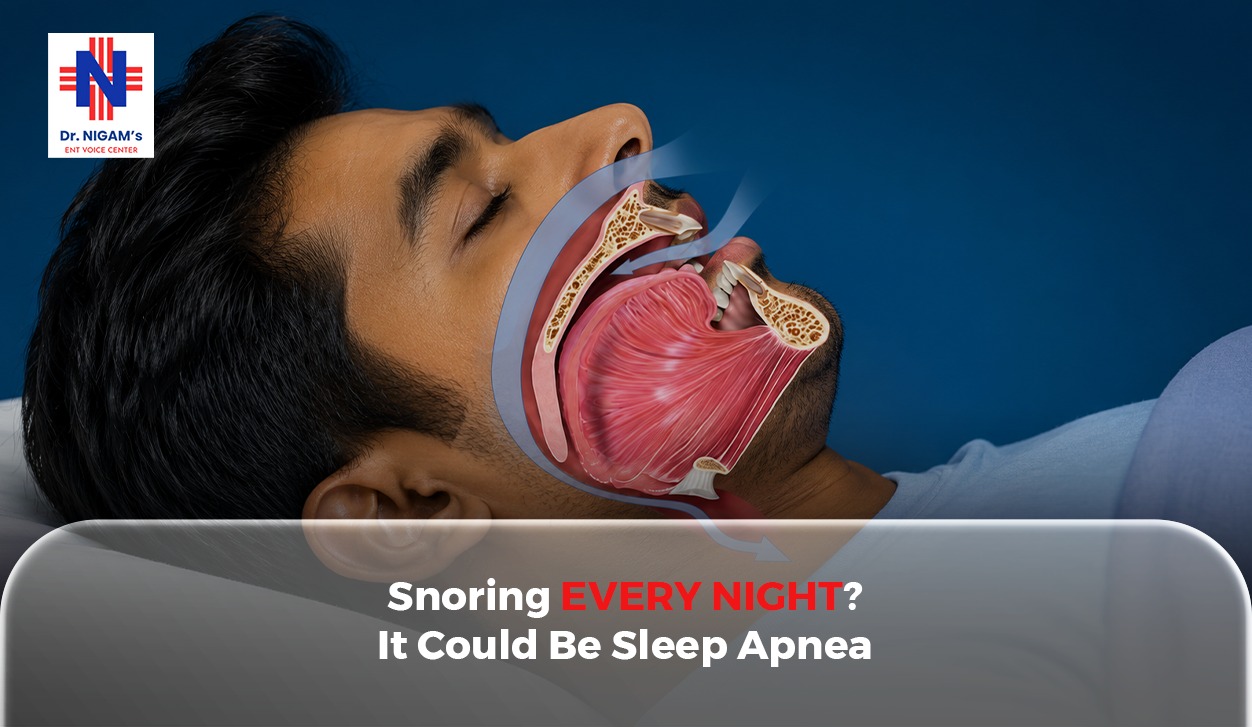
When a person snores, it is usually ignored as some kind of habit or a symptom of fatigue. However, if you are snoring at night, particularly if it is loud and disruptive and is causing you fatigue during the day, it may be more than just noise; it may be sleep apnea.
Sleep apnea is a serious sleep disorder in which breathing stops and restarts frequently while sleeping. It’s more than a nuisance; it can impact your heart, your mood, your memory, and your health if left untreated.
What Is Sleep Apnea?
Sleep apnea is a condition that develops when breathing stops or is interrupted due to partial or complete blockage of the airways during sleep. This makes your body temporarily awake (usually without your awareness) to resume breathing. These interruptions can occur dozens (if not hundreds) of times per night.
There are three main types:
- Obstructive Sleep Apnea (OSA) – Most common. Occurs when the muscles in the throat relax and block the air.
- Central Sleep Apnea – When the brain does not send signals to the breathing muscles.
- Mixed Sleep Apnea – A combination of both obstructive and central sleep apnea.
OSA is the type that is treated by many ENT doctors in Gurgaon, particularly in adults.
Common Signs of Sleep Apnea
You might have sleep apnea if you experience:
- Snoring loudly, on a regular basis, every night.
- Getting headaches and dry mouth in the morning
- Tiredness, grogginess or lack of refreshment after 7-8 hours of sleep
- Problems paying attention or remembering things
- Rapid weight gain, or becoming touchy and cranky.
- Getting out of bed a lot at night
- Your partner feels you are breathing in or out abnormally, or that you are gasping for breath
One of the most frequently seen symptoms is daytime sleepiness. Being tired with adequate sleep is a warning sign of sleep apnea.
Sleep apnea is a serious health condition.
While it can be irritating to hear someone snoring, sleep apnea is a medical disorder. Without adequate sleep, your whole body is affected:
- Heart issues: Raises blood pressure, heart attack and stroke risk
- Mood disorders: Causes depression, anxiety and irritability
- Increased weight: Poor sleep affects metabolism and hunger hormones.
- Work performance: Daytime fatigue decreases concentration and efficiency
- Relationship stress: Partners and family members are affected by loud snoring.
Alternatively, if sleep apnea is not treated, it can cause permanent harm to health. Early diagnosis and treatment are critical.
Most frequent causes of sleep apnea
There are several things that can cause sleep apnea:
- Obesity: Fat around the neck causes constriction of the airway.
- Age: Risk increases after 40
- Gender: Men are at higher risk for developing it.
- Family history: Genetics play a role
- Nasal problems: Blocked nose, deviated septum, or chronic sinusitis
- Throat structure: Large tongue, tonsils, or neck size
- Smoking and alcohol: Relaxes throat muscles and makes breathing worse.
- Sleep position: Back sleeping – increases airway blockage.
How Is Sleep Apnea Diagnosed?
The first step in the diagnosis of sleep apnea is to obtain a comprehensive medical history and perform a physical examination. Your ENT doctor will examine your nose, throat, and neck for obstruction or structural problems.
The best way to find out is by having a sleep study (polysomnography) performed, which uses instruments to track your breathing, heart rate, and brain activity while you sleep. This test may help to confirm the diagnosis and severity of sleep apnea.
There are various treatment options for sleep apnea
Treatment will depend on the severity of your condition:
1. Lifestyle Changes
- If overweight, lose weight
- Don’t drink or smoke
- Do not sleep on your back!
- Exercise regularly
2. Nasal Solutions
- Airway-widening strips or sprays to use in nose
- Nasal surgery when there is a deviation or blockage of the passage.
3. CPAP Therapy
Continuous Positive Airway Pressure (CPAP) is a machine that provides a low pressure of air to prevent your airway from collapsing while you sleep. This is the best treatment for moderate and severe sleep apnea.
4. Oral Appliances
A custom mouthguard during sleep can help to move the tongue and jaw so that the airway doesn’t close.
5. Surgery
In cases of severity, surgical procedures may be necessary, such as the removal of redundant tissue, correction of the nasal problems, or implantation of devices.
The symptoms that would require an ENT doctor visit near you
Don’t delay if you are snoring at night, waking up tired, or have other symptoms that indicate you may be suffering from sleep apnea. For proper evaluation, consult an ENT doctor near me.
To get proper sleep apnea treatment, it is significant to find the right sleep apnea specialist in your area. Dr. Kunal Nigam, an experienced and trusted ENT specialist in Gurgaon, provides complete care for sleep apnea and other breathing-related disorders.
His clinic provides:
- Complete ENT examinations
- The diagnosis and evaluation of sleep disorders.
- Individual treatment plan (CPAP, Surgery, Lifestyle changes)
- Follow-up to check for improvement
When looking for an ENT specialist, you are looking for someone who has the right expertise, uses up-to-date diagnostic tools, and is kind and caring to you—Dr. Kunal Nigam’s clinic provides all of this and more.
Conclusion: Don’t Ignore Your snoring
If you snore at night, it’s not normal, and it’s a warning sign that you could have trouble breathing at night. Millions of people suffer from sleep apnea (airlessness while sleeping), and many don’t know they have it until they start having serious health issues.
When you are always tired, a heavy snorer, or people with headaches every morning, it’s time to take action. Get a proper diagnosis and treatment from an experienced ENT specialist in Gurgaon like Dr. Kunal Nigam. Early intervention can help you sleep better, keep you healthy, and regain your quality of life.
Also Read: Why Air Pollution Is Making Allergies and Sinus Problems Worse in Gurgaon
Frequently Asked Questions
- Does snoring nightly indicate sleep apnea?
Yes. If you’re snoring loudly and you feel tired during the day, have headaches in the morning or get up many times during the night, it’s a good sign that you have sleep apnea. If you experience these symptoms, reach out to an ENT doctor for evaluation.
- How is sleep apnea diagnosed?
The first step in diagnosis is a medical history and physical exam by an ENT specialist in Gurgaon. The best test is a sleep study (polysomnography) that will record breathing, heart rate, and brain activity while you sleep to establish the severity of sleep apnea.
- Is there a treatment for sleep apnea that doesn’t require surgery?
Yes. Treatment of most cases is by lifestyle changes (weight loss and abstinence from alcohol) or CPAP machines or oral appliances. Surgery is only recommended for severe cases or in the event that other treatments are unsuccessful. A sleep apnea specialist in Gurgaon, such as Dr. Kunal Nigam, can help you choose the optimal treatment.